
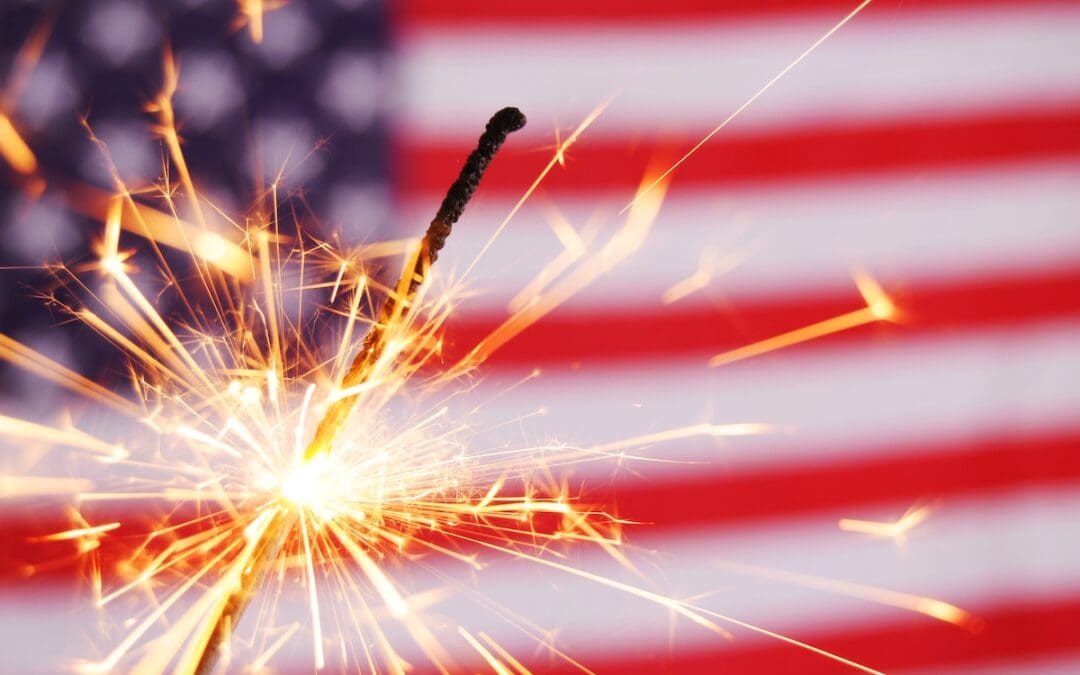
Independence Day is one of the most celebrated holidays of the year, and one of the most dangerous. Fireworks, open flames, summer heat, and large gatherings create a combination of hazards that sends more people to emergency rooms on July 4th than on almost any other day of the calendar. 4th of July safety is about making sure everyone at your backyard cookout makes it through the day in the same condition they arrived. A few smart habits and a little preparation are all it takes to keep the festivities both festive and safe.
Why 4th of July Safety Deserves Serious Attention
The statistics behind July 4th are sobering. Fireworks cause thousands of injuries annually and are responsible for a significant portion of residential structure fires each summer. Grills are involved in hundreds of additional fires every holiday weekend, and emergency rooms see a sharp spike in burn, heat exhaustion, and laceration cases throughout the day. A little awareness goes a very long way. Homeowners who host gatherings carry particular responsibility. You’re managing not just your own safety but the safety of guests, their children, and your neighbors. Taking 4th of July safety seriously is part of being a good host.
Fireworks Safety at Home
Consumer fireworks are the leading cause of 4th of July injuries, and many serious accidents involve products that seem harmless, such as sparklers, fountains, and novelty items handed to young children without a second thought. Sparklers burn at temperatures exceeding 1,000 degrees and are among the most common causes of pediatric burn injuries during the holiday. If consumer fireworks are legal in your area and you choose to use them, use them outdoors in a clear, open space well away from structures, vehicles, and dry vegetation. Keep a charged garden hose or bucket of water nearby at all times. Never attempt to relight a dud; wait at least 20 minutes, then soak it thoroughly before disposal. Keep children and pets a safe distance back from all fireworks. The safest option remains attending a professional public display where trained technicians handle the pyrotechnics.
Grill Safety on the 4th
The 4th of July is the most popular grilling day of the year, and with that comes elevated risk. 4th of July safety around the grill starts before the first flame, check gas connections for leaks, position the grill at least ten feet from the house and any flammable structures, and never leave it unattended while in use. Keep children and pets well away throughout cooking, not just while flames are visible. Residual heat lingers long after the grill appears safe. Have a fire extinguisher accessible and know how to use it. Once grilling is done, allow the grill to cool completely before storing, and dispose of charcoal ash in a metal container.
Heat, Hydration, and 4th of July Safety Outdoors
Summer heat is easy to underestimate when you’re caught up in holiday excitement. Heat exhaustion and dehydration can develop faster than most people realize, particularly in children, elderly guests, and anyone spending extended time in direct sun. Keep cold water available throughout the day and encourage guests to drink it consistently. Schedule the most active outdoor elements for morning or evening, and ensure there are shaded areas where guests can cool down. Apply and reapply sunscreen throughout the day. Know the signs of heat exhaustion, dizziness, nausea, heavy sweating, and weakness, so you can respond quickly if someone is affected.
Frequently Asked Questions (FAQs)
Are consumer fireworks safe to use at home?
Consumer fireworks carry real risks even when used carefully, and many serious injuries occur to people following general guidelines. If fireworks are legal in your area and you choose to use them, strict adherence to 4th of July safety practices reduces but does not eliminate the risk. Attending a professional public display is always the safer alternative.
What should I do if someone is burned by a firework or grill?
Run cool, not cold, water over the affected area for at least 10 minutes. Do not apply ice, butter, or any home remedy. Cover loosely with a clean, dry bandage. For burns larger than three inches, burns on the face or hands, or any that blister immediately or appear deep, seek emergency medical attention promptly.
How do I keep pets safe on the 4th of July?
Keep pets indoors during fireworks in a quiet, familiar space. Ensure ID tags are current and microchips registered. July 4th is one of the highest days of the year for lost pets. Never bring animals near active fireworks, lit grills, or large crowds.
What fire extinguisher should I have for a 4th of July gathering?
An ABC-rated dry chemical extinguisher handles ordinary combustibles, flammable liquids, and electrical fires. Keep one in the kitchen and one near the outdoor grill. Ensure all adults know how to operate it using the PASS method: Pull the pin, Aim at the base, Squeeze the handle, Sweep side to side.
How do I dispose of used fireworks safely?
Soak all used fireworks in a bucket of water for at least 15 to 20 minutes before handling. Place the soaked materials in a metal trash can away from combustibles. Never put fireworks in plastic or paper bags, and never place them in an indoor trash can. Check your local municipality’s guidelines, as some areas have specific disposal requirements during the holiday period.
M&T Inspection Services offers home inspections to customers in Indianapolis. Contact us to request our services.