
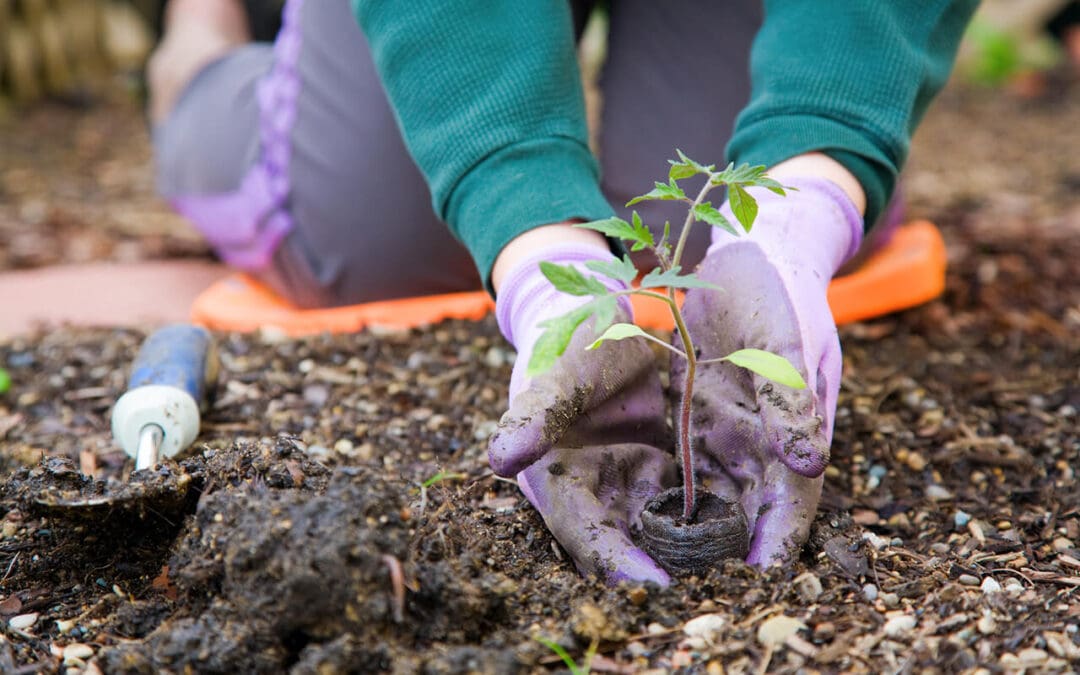
Spring is the perfect time to refresh your outdoor space, and knowing how to prepare your garden properly makes all the difference between a thriving landscape and a struggling one. As winter fades away, your garden needs a bit of attention to bounce back to life. With the right approach, you can set the stage for healthy plants, vibrant blooms, and a productive growing season.
Why It’s Important to Prepare Your Garden Early
Getting a head start to prepare your garden ensures that your soil, plants, and layout are ready before peak growing season begins. Early preparation allows you to identify winter damage, improve soil quality, and plan effectively. Waiting too long may delay growth and reduce the overall health of your garden. Spring preparation also helps prevent common issues like pests and diseases. By clearing debris and improving airflow, you create an environment where plants can thrive naturally.
Clean Up and Clear the Space
The first step to prepare your garden is a thorough cleanup. Winter often leaves behind fallen leaves, broken branches, and other debris that could harbor pests and diseases. Removing this clutter not only improves the appearance of your garden but also promotes better plant health. Take time to cut back dead perennials and remove weeds that may have taken root. Clearing pathways and borders will help define your space and make future maintenance easier.
Prepare Your Garden Soil for Healthy Growth
Healthy soil is the foundation of a successful garden, so it’s essential to prepare your garden soil properly. Start by loosening compacted soil to improve aeration and drainage. Adding organic matter such as compost or well-rotted manure enriches the soil with nutrients plants need to grow strong. Testing your soil can also be helpful. Understanding its pH level and nutrient content allows you to make targeted improvements. Balanced soil leads to stronger roots and more resilient plants.
Plan and Design Before You Plant
Before planting anything, take a moment to plan your layout. When you prepare your garden thoughtfully, you maximize both beauty and productivity. Consider sunlight exposure, spacing, and plant compatibility. Grouping plants with similar water and sunlight needs makes maintenance easier. This is also a great time to think about adding new features like raised beds, borders, or decorative elements.
Prune and Protect Existing Plants
Pruning is a key part of getting ready for spring. Removing dead or damaged branches encourages new growth and improves the overall shape of plants. When you prepare your garden with proper pruning techniques, you also help prevent disease from spreading. Be careful not to over-prune, especially for flowering plants, as this may affect blooming. Each plant type has its own pruning needs, so a little research goes a long way.
Refresh and Add Nutrients While You Prepare Your Garden
Mulching is an often-overlooked but powerful way to prepare your garden. A fresh layer of mulch helps retain moisture, regulate soil temperature, and suppress weeds. Organic mulches also break down over time, adding nutrients back into the soil. Spring is also the ideal time to fertilize. Using a balanced fertilizer gives plants the boost they need to kickstart growth and develop strong roots.
Start Planting with Confidence
Once your garden is cleaned, nourished, and planned, it’s time to plant. Choosing the right plants for your climate and soil conditions is essential. When you prepare your garden correctly, planting becomes more straightforward and rewarding. Start with hardy plants if temperatures are still fluctuating, then gradually introduce more delicate varieties as the weather stabilizes. Water consistently and monitor growth to ensure everything establishes well.
Frequently Asked Questions (FAQs)
When should you prepare your garden for spring?
It’s best to begin preparing your garden in early spring, as soon as the ground is workable and temperatures start to rise. This timing allows plants to establish themselves before the growing season fully begins.
How do you improve soil quality quickly?
Adding compost or organic matter is the fastest way to improve soil quality. It enhances structure, increases nutrients, and supports beneficial microorganisms that help plants grow.
Is it necessary to remove all old plants and debris?
Yes, removing dead plants and debris is important to prevent pests and diseases. It also creates space for new growth and improves the overall health of your garden.
Can you plant immediately after preparing the garden?
In most cases, yes. Once the soil is prepared and conditions are suitable, planting can begin. However, it’s important to consider the specific needs of each plant and local weather conditions.
How often should you fertilize in spring?
Fertilizing once at the beginning of the season is usually sufficient for most plants. Some may benefit from additional feeding later, depending on their growth and nutrient needs.
M&T Inspection Services offers home inspections to customers in Indianapolis. Contact us to request our services.