
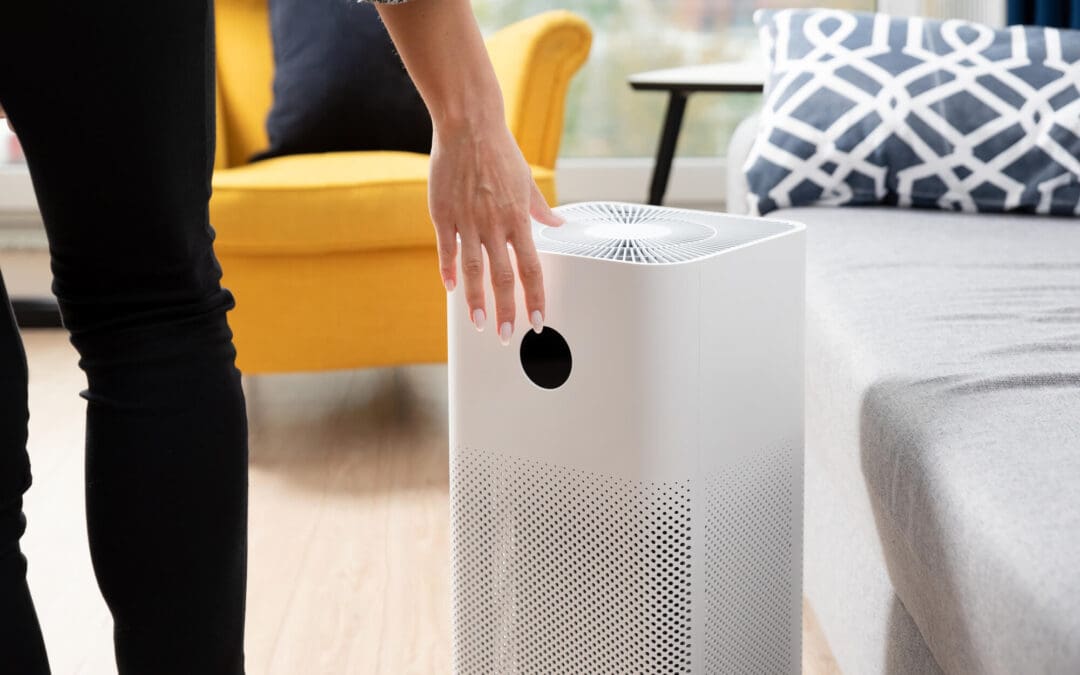
Allergy-proofing your home is one of the most effective interventions available to anyone who suffers from indoor allergies. Outdoor allergen exposure is largely unavoidable; indoor allergen exposure is almost entirely a product of the decisions made about how the home is maintained, furnished, and ventilated. The most common indoor allergens, dust mites, pet dander, mold spores, and cockroach particles, all have specific conditions that allow them to thrive and specific interventions that reduce them. Allergy-proofing your home systematically, room by room and source by source, produces the cumulative reduction in allergen load that makes a measurable difference in how occupants feel daily.
The Bedroom: The Highest Priority When Allergy-Proofing Your Home
The bedroom is the most important room to address when allergy-proofing your home because it’s where the most consecutive hours are spent. The bed itself is the single highest-concentration allergen environment in most homes. Dust mites thrive in mattresses, pillows, and bedding, feeding on shed skin cells in the warm, humid microclimate a sleeping person creates. Allergy-proof mattress and pillow encasements, tightly woven covers that create a physical barrier between the sleeper and the mite population inside, are the most impactful single intervention in any bedroom allergy-proofing effort. Washing bedding weekly in hot water above 130 degrees kills surface dust mites, and removing carpet, upholstered furniture, and heavy drapes from the bedroom structurally reduces the allergen surfaces available regardless of how diligently the room is cleaned.
Living Areas and the Allergen Sources Most Guides Miss
The living room presents the allergy-proofing challenge of high traffic combined with the soft furnishings that accumulate allergens most aggressively. Vacuuming with a HEPA-filter vacuum twice weekly captures the dander, mite debris, and pollen that a standard vacuum recirculates into the air. Upholstered furniture regularly occupied by pets is the highest-concentration dander source in most homes; washable slipcovers or tightly woven, easily wiped fabric surfaces are the allergy-proofing adaptations that most significantly reduce living room allergen load. The less obvious sources most guides overlook are houseplants and decorative items. Potted plant soil supports mold growth, and decorative items like books, figurines, and dried flowers accumulate dust on surfaces that are rarely cleaned.
HVAC, Ventilation, and Allergy-Proofing Your Home’s Air
The HVAC system is simultaneously the most powerful tool for allergy-proofing your home and one of the most common sources of allergen distribution when not maintained correctly. A MERV 11 or higher rated filter captures a significantly broader range of particles, like dust, pollen, dander, and mold spores, than standard fiberglass filters, and replacing it every 30 to 45 days keeps it effective rather than clogged. Maintaining indoor humidity between 30 and 50 percent is the environmental control that most directly affects dust mite and mold populations; both thrive above 50 percent and struggle below 30 percent. A whole-home or room-level dehumidifier during humid months is the allergy-proofing investment that addresses the humidity condition that makes every other allergen source worse.
Frequently Asked Questions (FAQs)
Where should I start when allergy-proofing?
The bedroom is the highest-priority starting point. It’s where the most time is spent and where allergen concentration is typically highest. Once the bedroom is addressed, the HVAC filter upgrade and humidity control produce whole-home improvements that compound those gains.
Does allergy-proofing your home require removing all carpet?
Not necessarily, but carpet traps and holds dander, mite debris, and pollen in ways that hard flooring doesn’t. In rooms where removal isn’t practical, vacuuming twice weekly with a HEPA-filter vacuum and using a HEPA air purifier reduces the carpet’s contribution to allergen levels. In the bedroom, where allergen exposure during sleep is most consequential, carpet removal is the change with the highest impact if it’s feasible.
How does humidity affect the success of allergy-proofing?
Humidity is the single environmental variable most directly tied to both dust mite and mold populations. Dust mites require humidity above 50 percent to reproduce; below 35 percent, they begin to die off. Mold requires sustained moisture to establish. Maintaining indoor relative humidity between 30 and 50 percent removes the environmental condition that allows both allergen sources to flourish.
Can air purifiers substitute for other allergy-proofing measures?
An air purifier with a true HEPA filter captures airborne particles effectively in the room where it’s placed, a meaningful contribution to allergen reduction. It doesn’t address the allergen reservoirs in bedding, carpet, and upholstery that generate airborne particles continuously, which is why purifiers work best as a complement to source-reduction allergy-proofing measures rather than a substitute for them. A purifier in the bedroom running continuously provides the most consistent benefit for the most consecutive exposure hours.
Does allergy-proofing your home help with pet allergies specifically?
Yes, though managing pet allergens requires consistent effort because dander is produced continuously. The most effective interventions are keeping pets out of the bedroom entirely, bathing pets regularly to reduce the dander shed rate, using a HEPA vacuum and air purifier, and choosing furniture and flooring that doesn’t trap dander. These measures reduce the pet allergen load substantially, though they don’t eliminate it, since dander distributes into every room of the home over time.
M&T Inspection Services offers home inspections to customers in Indianapolis. Contact us to request our services.