
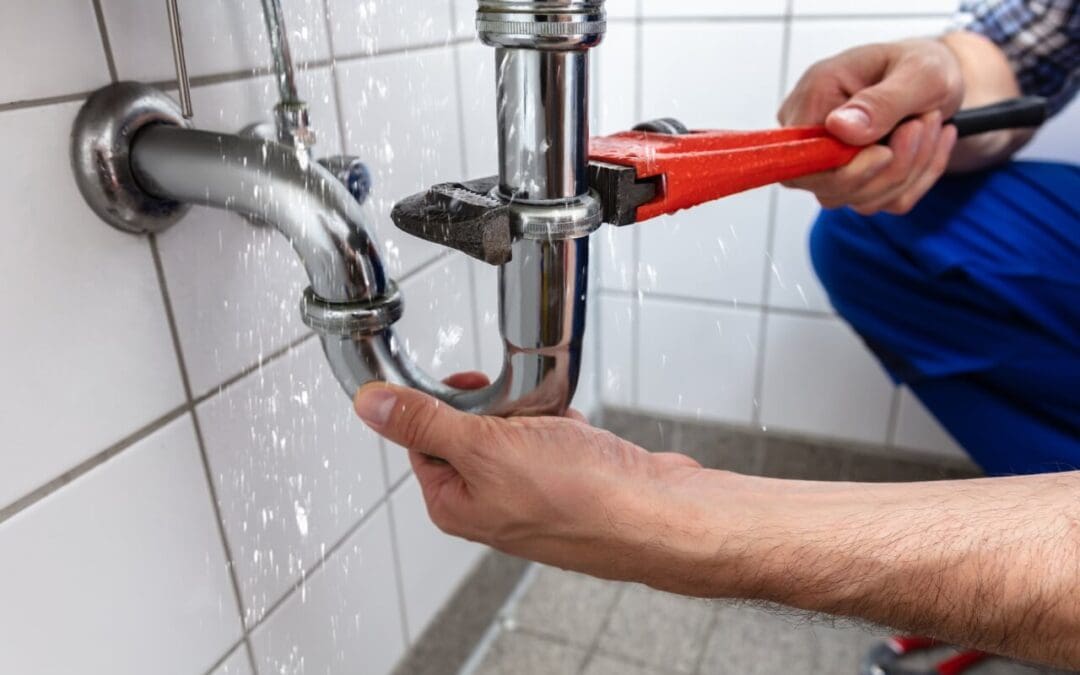
Most homeowners approach plumbing maintenance reactively, fixing what breaks rather than preventing the break in the first place. The result is a predictable cycle of inconvenient, often expensive repairs that a consistent seasonal maintenance routine would have caught or prevented entirely. Plumbing systems aren’t set-and-forget infrastructure; they’re dynamic systems that respond to seasonal stress in predictable ways. Building a plumbing maintenance routine around seasonal patterns gives you a practical, easy-to-follow framework that’s genuinely effective at extending the life of your home’s plumbing.
Why a Seasonal Approach to Plumbing Maintenance Works
Plumbing failures tend to cluster around seasonal transitions, particularly the shift from fall to winter and winter to spring. Freeze-thaw cycles attack vulnerable pipes. Increased indoor water use concentrates wear on fixtures and water heaters. Spring thaw reveals what winter stress caused. Structuring maintenance around these predictable patterns means addressing vulnerabilities before they become failures. A seasonal approach also makes the work more manageable by distributing it across the year. Fifteen minutes each season is far more achievable than an annual plumbing marathon that never happens, and far more effective than checking things only when a problem forces the issue.
Spring Plumbing Maintenance After a Long Winter
Spring is the time to assess the damage winter stress caused to your plumbing system. Inspect every exposed pipe in unheated spaces for signs of freeze damage. Hairline cracks from a partial freeze may not have caused an active leak during winter but could open up as water pressure resumes with warming temperatures. Check all outdoor hose bibs and irrigation systems that were winterized before the first freeze. Open them gradually and inspect for drips at the connection point, a sign the internal valve was damaged. Flush the irrigation system line by line and inspect heads before activating for the season. Spring is also the right time to flush the water heater if you haven’t done it recently. Test the T&P valve while you’re at it, lift the lever briefly to confirm it opens and reseats properly.
Summer and Fall Maintenance for Year-Round Reliability
Summer plumbing maintenance focuses on outdoor systems and fixtures seeing increased use. Inspect garden hoses for cracks at connection points, and check that hose bib connections are tight and not dripping. Outdoor showers, pool supply lines, and irrigation timers all benefit from a seasonal inspection that catches developing issues before they become water waste problems. Fall is a good time to clean and inspect the garbage disposal before the holiday cooking season adds further demand. Run ice cubes through to clean the grinding surface and inspect under the sink for moisture indicating a slow leak at the P-trap or drain connection. Outdoor faucets and hose bibs are the most important focus of fall plumbing maintenance in cold climates. Disconnecting garden hoses before the first freeze is a step many homeowners skip; a hose left connected to a frost-free bib prevents the internal draining mechanism from working, trapping water and creating freeze risk.
Winter Plumbing Maintenance for Cold Weather Protection
Winter plumbing maintenance centers on protection. Pipes in exterior walls, crawl spaces, and areas near garage walls are at greatest freeze risk during prolonged cold. Knowing where these pipes are before cold weather arrives, and having pipe insulation foam on hand, is the preparation that prevents a burst pipe during a multi-day hard freeze. Maintain a minimum indoor temperature of 55°F in any home left unoccupied during winter, and open cabinet doors under sinks on exterior walls during extreme cold to allow warm air to circulate around pipes. If leaving for an extended period, shutting off the main water supply eliminates freeze risk. Monitor water heater performance during winter; the unit works harder when incoming cold water temperatures drop, and a system borderline functional in fall may struggle during peak winter demand.
Frequently Asked Questions (FAQs)
How do I know which pipes in my home are most vulnerable to freezing?
Pipes most at risk are those in unheated or poorly insulated spaces, such as crawl spaces, attached garages, exterior walls on the north and west sides of the home, and spaces near uninsulated foundation areas.
What is the most important plumbing maintenance task homeowners skip?
Disconnecting outdoor hoses before the first hard freeze is the single most commonly skipped step. A connected hose prevents a frost-free hose bib from draining as designed, trapping water in the pipe and making freeze damage nearly inevitable during extended cold. This one step, taking thirty seconds, prevents a repair that could cost several hundred dollars and cause interior water damage.
How often should a water heater be flushed?
Annual flushing is the standard recommendation. Homes in areas with particularly hard water may benefit from flushing twice per year since sediment accumulates faster. Spring is a natural time to build a water heater flush into your seasonal routine, since the unit has just completed its heaviest working period and clearing sediment before summer extends its operating life.
Can I do seasonal plumbing maintenance myself or do I need a plumber?
The vast majority of seasonal tasks are within DIY capability. A licensed plumber adds value for a comprehensive annual inspection, particularly in older homes where pipe material and condition warrant professional assessment.
What’s the most cost-effective plumbing investment?
Pipe insulation foam applied to vulnerable pipes in unheated areas delivers enormous protection relative to its cost. A single afternoon’s work could prevent a burst pipe repair costing a thousand dollars or more, plus any associated water damage remediation.
M&T Inspection Services offers home inspections to customers in Indianapolis. Contact us to request our services.