
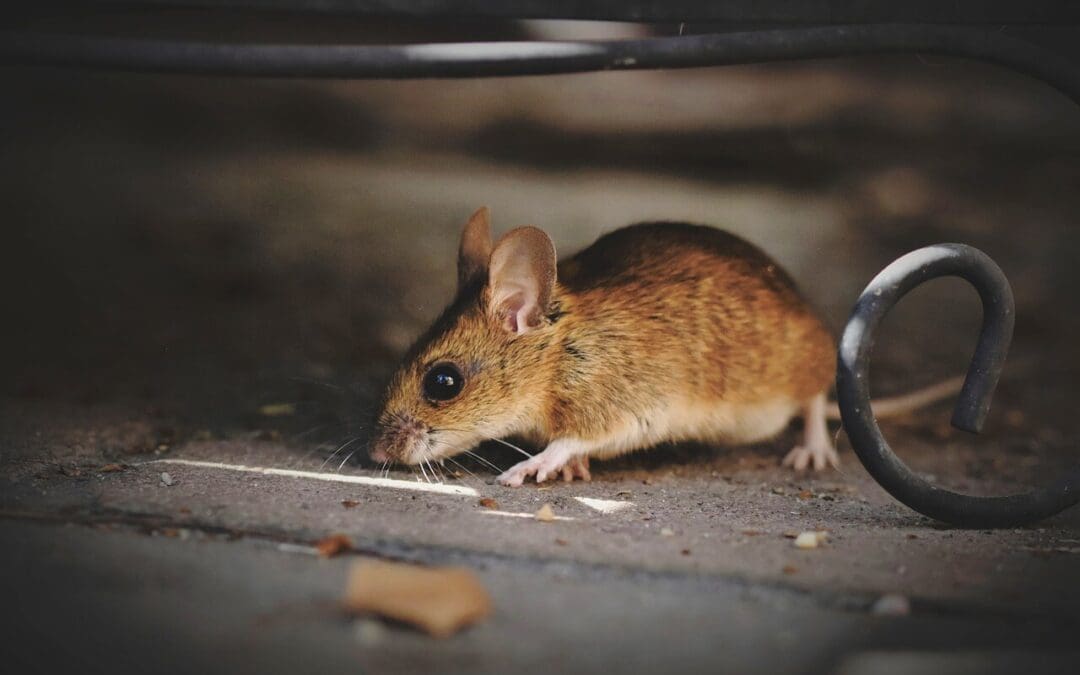
Most pest problems are the result of conditions that invite entry, provide food and water, and offer harborage that makes the home an appealing environment. Understanding how to prevent pests by systematically addressing those conditions is the practical knowledge that keeps a home pest-free without relying solely on pesticide application after problems have already established.
How to Prevent Pests Through Exclusion
The most effective way to prevent pests is to physically prevent them from entering, because a pest that can’t get in can’t establish. The most common entry points are gaps around plumbing and electrical penetrations through exterior walls, cracks in the foundation or between the foundation and the sill plate, gaps around windows and doors where weatherstripping has deteriorated, and the space beneath garage doors where worn threshold seals no longer contact the floor. Mice can enter through any gap larger than a quarter inch. Sealing foundation penetrations with caulk or expanding foam, replacing deteriorated door sweeps and weatherstripping, and covering larger openings with hardware cloth rather than foam alone are the exclusion measures that most directly reduce rodent entry. A systematic exterior inspection following the foundation perimeter with a flashlight, checking every location where any material passes through the wall, identifies the entry points other methods miss.
Sanitation and Food Storage Habits That Remove the Attraction
Pests don’t establish in homes by accident; they establish because the home offers food, water, or both. Storing dry goods in sealed containers rather than in their original packaging, cleaning up spills and crumbs immediately, and not leaving pet food out overnight are the habits that most consistently remove the food source that attracts the widest range of insect and rodent pests. Moisture is the factor most homeowners overlook, because moisture management is more commonly associated with mold than with pests. Cockroaches, silverfish, and many other common household pests are as attracted to moisture as to food, and the damp conditions under leaking pipes, in poorly ventilated crawl spaces, and in basements with elevated humidity are the conditions that warrant as much attention as food source elimination. Fixing leaks promptly, running exhaust fans in moisture-generating areas, and maintaining indoor humidity in the 40 to 50 percent range address the moisture attraction that sanitation alone can’t prevent.
Prevent Pests By Focusing on the Outside
Preventing pests at the perimeter is the strategy that most reduces the pest pressure the home’s exclusion measures have to manage. Firewood stored directly against the foundation, leaf litter and mulch piled against the sill plate, dense foundation plantings that create concealed harborage, and standing water from poor drainage or clogged gutters all concentrate pest populations near the home’s entry points. Storing firewood at least twenty feet from the home and elevated off the ground, maintaining a clear zone of six to twelve inches between foundation plantings and the structure, cleaning gutters on schedule to eliminate standing water, and addressing drainage conditions that produce pooling near the foundation are the pest prevention practices that reduce pressure the most on the home’s exclusion measures.
Frequently Asked Questions (FAQs)
What are the most common entry points of pests?
Gaps around plumbing and electrical penetrations, deteriorated door sweeps and weatherstripping, foundation cracks at the sill plate junction, and the gap beneath garage doors with worn threshold seals are the most common entry points. For rodents, any gap larger than a quarter inch is a potential entry, which is smaller than most homeowners expect. A systematic exterior inspection that addresses all of these is the single most effective step for homes experiencing recurring pressure.
How does moisture control help prevent pests?
Cockroaches, silverfish, centipedes, and certain ant species are as attracted to moisture as to food. Damp conditions under leaking pipes, in crawl spaces with inadequate vapor control, and in basements with elevated humidity create the environment these pests seek. Fixing plumbing leaks, maintaining indoor humidity at 40 to 50 percent, and running exhaust fans in bathrooms and kitchens are the moisture-prevention practices that address an attraction most homeowners don’t associate with pest control.
Do I need a professional to prevent pests or can I handle it myself?
Prevention is largely within homeowner capability and produces better long-term results than reactive treatment alone. Professional pest control is most appropriate when an infestation has already established or for specific pest types like termites, bed bugs, and carpenter ants where professional treatment is significantly more effective than consumer products.
What time of year is most important to prevent pests?
Fall is the most critical pest-prevention season for rodents and overwintering insects. Dropping temperatures drive mice and stink bugs to seek warmth indoors, and any unsealed entry becomes a high-traffic access route.
Can landscaping choices help prevent pests near the home?
Yes, dense foundation plantings, mulch piled against the sill plate, and branches contacting the roofline all provide the concealed harborage and pathways that make the transition from yard to home straightforward for a wide range of pests. Trimming plantings six to twelve inches from the structure, replacing wood mulch with gravel in the immediate foundation zone, and eliminating branch contact with the roofline are the landscaping adjustments that most reduce the pressure on the home’s exclusion measures.
M&T Inspection Services offers home inspections to customers in Indianapolis. Contact us to request our services.